
Capoeira blends martial arts, dance, acrobatics, and music. This complete beginner’s guide for young New Zealanders explains history, core moves, instruments, training plans, safety, FAQs, and how to start in NZ.
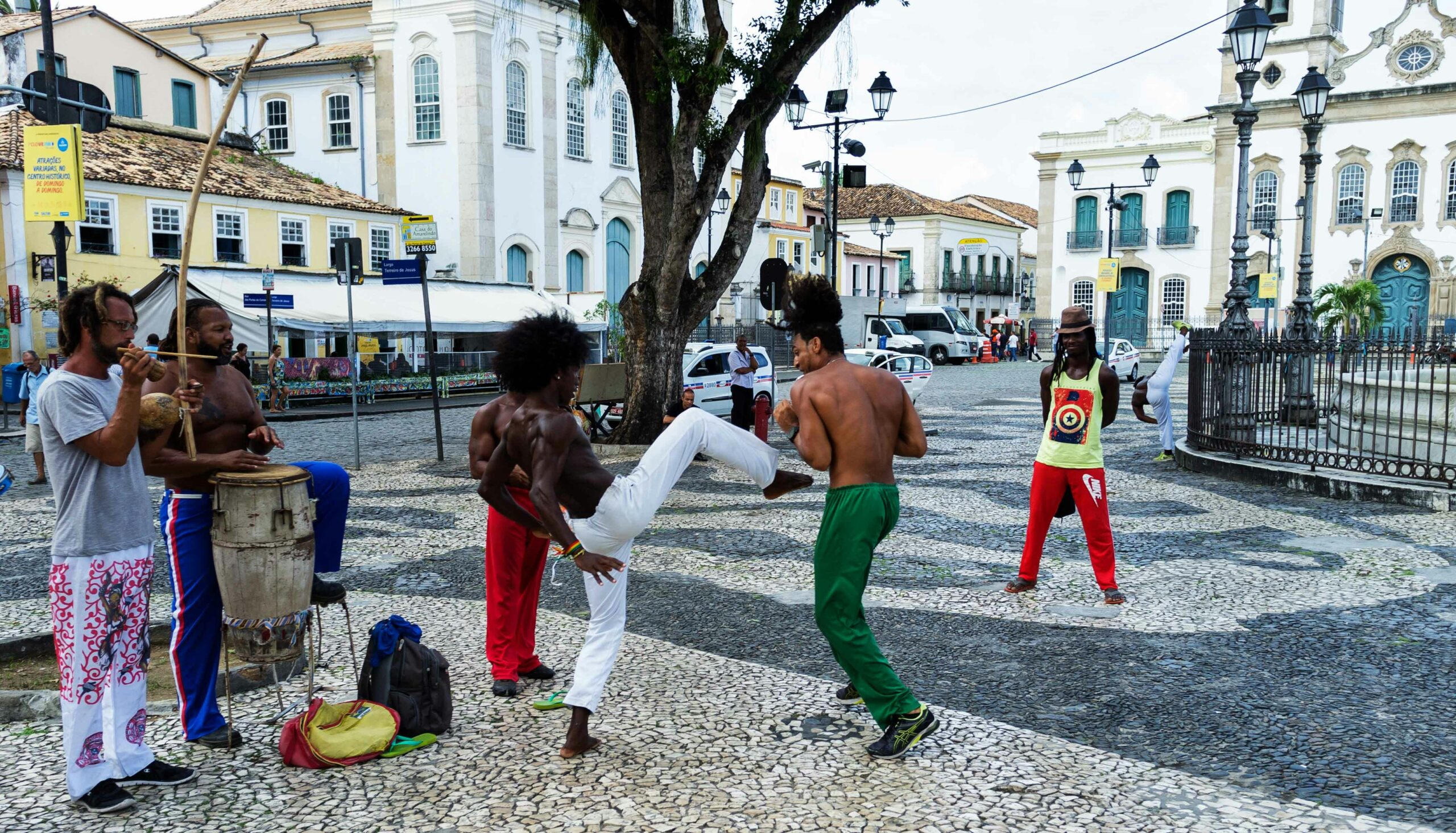
Photo by Nigel SB Photography on Unsplash
Introduction: A Living Art That Moves the Body and the Mind
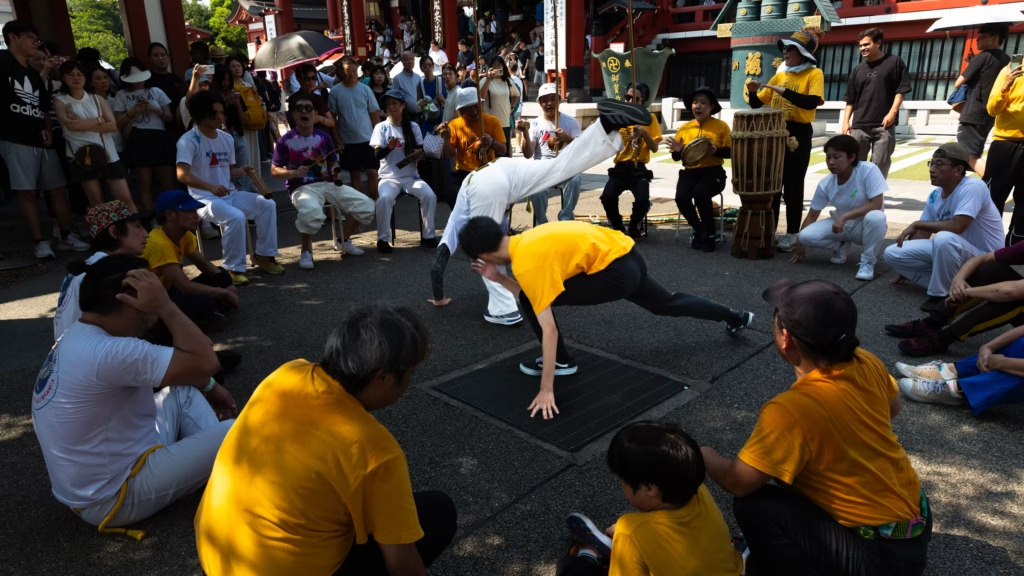
See two people flowing in a circle, almost dancing yet clearly reading each other like opponents—that’s Capoeira. It’s a Brazilian martial art wrapped in rhythm, creativity, and community. For young New Zealanders, Capoeira offers a fresh path: a way to get fit, express yourself, learn music, and join a welcoming global culture. Unlike most combat sports, Capoeira is played in a roda (circle) with instruments and singing guiding the tempo. You’ll kick, dodge, cartwheel, sing, clap, and smile—often in the same five minutes.
This guide gives you everything you need to get started with confidence: the origin story, the elements that make Capoeira unique, beginner-friendly moves, an 8-week roadmap, safety tips, and how to find classes in Aotearoa. By the end, you’ll know exactly how to take your first step into the roda.
What Exactly Is Capoeira?
Capoeira is a dialogue of movement between two players, supported by music and a chorus. It combines:
- Martial arts: kicks, sweeps, takedowns, and evasions.
- Dance and acrobatics: flowing transitions, cartwheels (aú), handstands (bananeira).
- Music: instruments, clapping, and call-and-response songs in Portuguese.
- Culture: Afro-Brazilian history, rituals, etiquette, and community values.
The goal isn’t to “win.” It’s to connect, improvise, and keep the exchange playful yet sharp. That’s why Capoeira feels so different from karate, boxing, or BJJ. You train awareness, timing, and creativity—skills that carry well beyond the gym.
A Short History: From Resistance to Global Culture
Capoeira was forged by enslaved Africans in Brazil from the 16th century onward. To train without punishment, they disguised combat drills as dance—syncing movement with music, turning practice into ritual. For decades, Capoeira was criminalized; practitioners were persecuted, yet the art persisted underground.
A few key milestones:
- 16th–19th centuries: Capoeira grows as a tool of survival and identity.
- Late 1800s–early 1900s: Criminalization and street repression; roda survives in secret.
- 1930s: Mestre Bimba systematizes Capoeira Regional, opening the first academy and earning legal recognition.
- Mid–late 20th century: Capoeira Angola is preserved and revitalized; Contemporânea blends approaches; the art spreads worldwide.
- Today: Capoeira thrives on every continent, including Oceania, with events, festivals, and exchanges linking cities from Salvador to Auckland.
This history is why respect, resilience, and freedom are at the heart of Capoeira. Every class echoes that legacy.
The Elements That Make Capoeira Unique
The Ginga (Foundation)
Ginga is the constant rocking step that keeps you mobile and unpredictable. Think of it as the heartbeat of your game. From ginga you launch kicks, flow into dodges, change angles, and build rhythm.
Beginner cues:
- Feet wide, knees soft, torso alert.
- Step back diagonally, switching sides with relaxed arms.
- Never freeze—ginga keeps you safe.
Attacks and Evasions
Capoeira emphasizes deception and timing. You’ll learn crescent kicks (meia lua), spinning kicks (armada), roundhouse-style snaps (martelo), low sweeps (rasteira), and takedowns—balanced by evasions called esquivas (lateral, baixa, diagonal). Rather than blocking, you slip past danger and reply with style.
The Roda (Circle)
Students form a circle, clap, and sing while two players “talk” through movement in the center. The roda is a mini-world: respect at the edges, creativity inside, music everywhere.
Music and Songs
Capoeira’s bateria (orchestra) typically includes:
- Berimbau: a bow with one steel string and a gourd; it leads the roda.
- Atabaque: tall hand drum—deep pulse.
- Pandeiro: tambourine-like—crisp textures.
- Agogô & reco-reco: bright accents and scrape rhythms.
Songs come in ladainha (solo story), chula (praise), and corrido (call-and-response during play). Even shy beginners sing a chorus after a few classes.
Styles: Angola, Regional, and Contemporânea
- Capoeira Angola: low, strategic, playful; ritual emphasizes tradition and patience.
- Capoeira Regional: faster, athletic, structured combinations and conditioning.
- Capoeira Contemporânea: blends both traditions; common in many modern schools.
You don’t have to choose on day one—train, observe your teachers, and let your style emerge naturally.
Why Capoeira Clicks With Young New Zealanders
Physical Wins
- Full-body conditioning: mobility, strength, cardio, balance.
- Functional athleticism: rotates, pivots, inverts—great carryover to other sports.
- Injury-resistant movement: lots of joint prep, soft landings, controlled ranges.
Mental and Emotional Wins
- Confidence: small wins (first cartwheel!) snowball into big belief.
- Stress relief: rhythm, singing, and play ease anxiety.
- Focus: constant read-and-react sharpens attention.
Social and Cultural Wins
- Community: rodas feel like a team that sings together.
- Global culture: connect with Afro-Brazilian history and Portuguese language.
- Inclusion: all ages, shapes, and skill levels can play.
If rugby is about power and territory, Capoeira is about conversation and flow—a refreshing complement to Kiwi sports culture.
Getting Started in New Zealand: Practical Tips
Find a Group
Search for Capoeira classes in Auckland, Wellington, Christchurch, Dunedin, and other centers. Many operate in community halls, dance studios, or uni spaces. Trial classes are common.
What to Wear and Bring
- Lightweight pants (white abadá is traditional, but any comfy gear is fine at first).
- Breathable t-shirt, water bottle, small towel.
- Barefoot is typical; some prefer minimalist shoes on cold floors.
Etiquette 101
- Greet your teacher (often “Mestre,” “Professora,” “Instrutor”).
- Learn how your group opens/ends class and roda.
- Clap, sing, and listen to the berimbau—it sets the rules of the game.
- Safety and respect beat showmanship every time.
Typical Costs
Expect prices similar to dance or martial arts classes. Many groups offer student rates or multi-class passes.
Your First 8 Weeks: A Beginner Roadmap
Weeks 1–2: Foundations
- Ginga mechanics; basic stance transitions.
- Esquiva lateral, esquiva baixa; posture and hand guard.
- Meia lua de frente (front crescent) with balance control.
- Music: clapping patterns; learn one simple chorus.
Home drill: 10 minutes of ginga (timer on), 5×10 reps each dodge, stretch hips.
Weeks 3–4: Linking Moves
- Add queixada (outside-in crescent), martelo (snapping kick).
- Intro to aú (cartwheel) with low, controlled height.
- Simple combos: ginga → meia lua → esquiva; ginga → martelo → negativa.
Music: learn pandeiro basics; sing the chorus louder with confidence.
Weeks 5–6: Roda Awareness
- Timing and distance—read your partner’s center line.
- Rasteira (sweep) mechanics with safe, slow practice.
- Meia lua de compasso intro (hands to floor; spin from hips).
Music: understand berimbau’s leadership; feel slow vs. fast toques.
Weeks 7–8: Flow and Improvisation
- Add armada (spinning crescent); clean pivots, eyes up.
- Handstand line prep (wall drills), transitions down to negativa.
- Short “games” in a mini-roda, changing partners.
Music: try agogô or reco-reco; lead a chorus line if invited.
Result: by week 8 you’ll be playing, not just practicing. Your ginga breathes, your dodges are relaxed, and your ears follow the rhythm without thinking.
Beginner Move Library (With Coaching Cues)
Ginga — Soft knees, long spine, elbows alive; imagine waves.
Esquiva lateral — Slide hips off line; hand shields face; eyes track partner.
Esquiva baixa — Hips low, heel grounded, free hand posted lightly.
Meia lua de frente — Draw a clean half-moon; kick from hip, not spine.
Queixada — Outside-to-inside arc; don’t over-rotate shoulders.
Martelo — Lift knee first, then snap; place it back with balance.
Aú — Hands plant shoulder-width; legs split like scissors; land soft.
Negativa — Think “active rest”; ready to spring into a sweep or stand.
Rasteira — Hook the heel behind their support foot; sweep with timing, not force.
Meia lua de compasso — Hands to floor, hips hinged, leg whips in a circle; eyes peek at target last second.
Armada — Pivot, turn, kick in a smooth bow; spot a point to avoid dizziness.
Practice in slow motion first. Speed is easy later; clean timing is not.
Safety, Conditioning, and Injury Prevention
Warm-up with intention. Mobilize wrists, hips, ankles, and spine with circles and pulses.
Progress gradually. Keep cartwheels low; build handstand stamina at the wall.
Use active flexibility. Dynamic kicks before class; static stretches after.
Respect the floor. Soft landings, bent knees, stacked joints.
Recover smart. Sleep, hydration, and light mobility days make progress stick.
Simple conditioning circuit (2–3 rounds):
- 30s ginga (rhythm focus)
- 8 aús (controlled)
- 10 lunges each side
- 20s handstand hold (wall)
- 10 slow squats + hip openers
This keeps beginners durable without needing a full gym setup.
Practice at Home (Small Space, Big Gains)
Micro-sessions (10–15 minutes):
- 5 minutes ginga with a metronome or Capoeira playlist.
- 3×8 reps: meia lua de frente, queixada, martelo (each side).
- 3×30s: negativa flows (down/up with breath).
- 3×20s: handstand line (wall) + 30s shoulder mobility.
Music practice:
- Clap to recordings until you can hold steady time.
- Sing one chorus daily—volume beats perfection.
- If you have a pandeiro, cycle slap/tonic/shake patterns slowly.
Consistency beats marathon sessions. Aim for most days of the week.
Culture and Language: Words You’ll Hear Often
- Roda: the circle where we play.
- Berimbau / atabaque / pandeiro / agogô / reco-reco: instruments.
- Mestre / Professora / Instrutor: teachers/leaders.
- Axé (ash-EH): energy, vibe, life force of the roda.
- Ginga, esquiva, rasteira: core movements.
- Ladainha, chula, corrido: song forms.
- Abadá: traditional pants/uniform.
- Bateria: the music “band” of the roda.
You’re not required to speak Portuguese, but you’ll pick up vocabulary quickly through songs and repetition.
Common Myths (And the Real Story)
“Capoeira is just dance.”
It contains dance, but the kicks, sweeps, and timing are absolutely martial. The dance-like flow hides intention and builds creativity.
“You must be flexible first.”
Flexibility comes with training. Start now; your body adapts.
“It’s unsafe for beginners.”
Classes stress control and awareness. Evasions replace hard blocks, and contact is moderated.
“It’s not real self-defense.”
Capoeira sharpens distance, timing, and evasive footwork—useful skills for avoiding danger and escaping.
How to Choose a School (Checklist)
- Vibe: welcoming, supportive, safety-minded.
- Structure: clear progressions for beginners.
- Music inclusion: regular singing and instrument practice.
- Teacher transparency: lineage, style, and expectations explained.
- Community: events, rodas, and a culture of respect.
- Trial class: try one, debrief with the teacher, trust your gut.
SEO-Friendly Internal Link Ideas (to publish across your site)
- Top 10 Capoeira Moves Every Beginner Should Learn → /capoeira-moves-beginners/
- Introduction to Capoeira Music: Why It Matters → /capoeira-music-guide/
- How Capoeira Builds Confidence in Young People → /capoeira-confidence-youth/
- What Is a Berimbau and How Is It Played? → /berimbau-beginner-guide/
- Capoeira Safety and Injury Prevention for New Players → /capoeira-safety-beginners/
(Atualize os slugs conforme seu WordPress.)
FAQ: Real Beginner Questions, Clear Answers
1) Is Capoeira good for shy teens?
Yes. Because everyone claps and sings together, participation rises naturally. Small “wins” in movement and music build social confidence without forcing it.
2) Do I need previous martial arts or dance experience?
No. Capoeira welcomes absolute beginners. Prior sports help, but they’re not necessary.
3) How many times per week should I train at first?
Two classes per week plus a couple of short home sessions create steady progress without burnout.
4) Will I have to do flips?
Acrobatics are optional and come later. Foundational kicks, dodges, and cartwheels are enough to play well for a long time.
5) How long before I can join the roda?
Often within a few weeks. Your teacher will guide you into short, safe games early.
6) Is Capoeira more about strength or rhythm?
Rhythm and timing first; strength supports them. Ginga and music drive the game.
7) Can Capoeira help with other sports?
Yes—footwork, balance, and spatial awareness transfer beautifully to rugby, basketball, netball, and dance.
8) Is gear expensive?
You can start with normal workout clothes. Uniforms and instruments are optional later.
9) How do I avoid injuries?
Progress gradually, land softly, warm up joints, and respect your partner’s space.
10) Do I need to sing?
You’re encouraged to. Start with clapping and simple refrains; your voice will grow with the group.
11) What style should I choose: Angola or Regional?
Begin where you find a good teacher and community. Over time, you may explore multiple influences.
12) Can I practice at home in a small room?
Yes. Ginga, dodges, low cartwheels, and handstand lines all fit in modest spaces. Keep fragile items away!
Final Thoughts (and Your First Step)
Capoeira is a living art—a way to train body, mind, and community at the same time. For young New Zealanders, it’s an energizing alternative to traditional sports: expressive, musical, and endlessly creative. You’ll learn to move with rhythm, read a partner’s intention, and turn challenges into playful dialogue.
Your first step is simple: find a class, show up, and ginga. Clap when the chorus starts. Try the easy kick. Laugh when you wobble. The roda has room for you—come add your voice.
Next reads on your site:
- Top 10 Capoeira Moves Every Beginner Should Learn
- Introduction to Capoeira Music: Why It Matters

Content creator interested in sharing news, curiosities and the root of many sources and internet knowledge out there!